

Life expectancy falls for men and Stonehenge welcomes pagans again
[ad_1]
Here are five things you need to know about the coronavirus pandemic this Thursday evening. We’ll have another update for you tomorrow morning.
1. First fall in 40 years for UK men’s life expectancy
For the first time in 40 years, when current records began, life expectancy for men in the UK has fallen. That’s the conclusion from new estimates by the Office of National Statistics, which found life expectancy at birth for the three years up to 2020 was 79 years, falling back to levels seen in 2012-14. Women’s life expectancy was mostly unchanged at just below 83. Falls in life expectancy are rare but the pandemic caused them across most of Europe and the US on a scale not seen since World War Two, research suggests. Experts expect to see further falls in the next year or so before life expectancy begins to recover.


2. Wales sets new record for long NHS waiting times
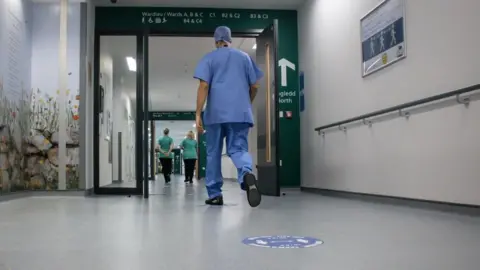
Hospital A&E units have once again set the worst-ever performance figures for waiting times, as Covid pressures continue to weigh on the NHS. In the worst affected hospital, only 40.7% of patients were seen in four hours. Other waiting lists continue to grow, with record levels of people waiting nine months or more for surgery or other treatments. And the Welsh Ambulance Service recorded its second worst response times to critical calls since new targets were introduced. It comes as a Welsh government scientist warned that children may be more susceptible to common winter illnesses this year, as lockdowns prevented them building up immunity.
 Getty Images
3. US athletes told to get vaccinated for Winter Olympics
Athletes for Team USA will have to be vaccinated against Covid-19 to compete in the 2022 Beijing Winter Olympics and Paralympics. The US Olympic committee said the health and well-being of all athletes is its “top priority”. Vaccination was not required before the Tokyo Olympics this year, and around 100 of the 613 US athletes had not had the jab. US swimmer Michael Andrew faced criticism for his decision not to be vaccinated and for failing to wear a face mask during interviews. The Winter Olympics begin on 4 February, but the US vaccination requirement will begin in November, with exemptions considered on a case-by-case basis.
 Getty Images
4. City boss says employees abuse work-from-home
The chief executive of an investment firm has said staff “abuse” work-from-home arrangements, as he criticised government plans to allow new employees to have the right to ask for flexible working from day one. Andrew Monk from VSA Capital told the BBC that people in financial services are less productive working from home. And he said the legislation is “setting a tone that is almost making people think they can do part-time work but on full-time salaries”. Some big firms such as accountancy giants PwC and Deloitte have embraced flexible working and the government says it can make businesses more productive.
 Getty Images
5. Official equinox gatherings at Stonehenge resume
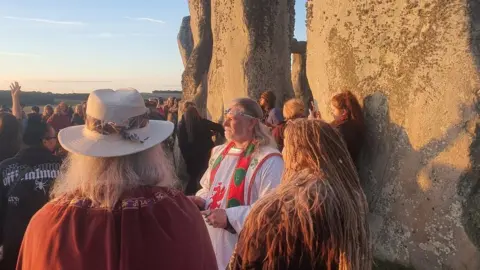
About 250 people gathered at Stonehenge as the sun rose on the first official day of autumn. Marking the autumn equinox, druids, pagans and other visitors were allowed access to the stone circle again for the first time since the pandemic began. Solstice celebrations in June and December and equinox gatherings in March and October are normally some of the only occasions when people are allowed to get close to the stones. Despite the pandemic ban, unofficial gatherings still took place earlier this summer. Jess Trethowan from English Heritage, which manages the monument, said the autumn sunrise had “felt really magical”.
 Stonehenge Guided Tours UK
And don’t forget…


What questions do you have about coronavirus?
In some cases, your question will be published, displaying your name, age and location as you provide it, unless you state otherwise. Your contact details will never be published. Please ensure you have read our terms & conditions and privacy policy.
Use this form to ask your question:
If you are reading this page and can’t see the form you will need to visit the mobile version of the BBC website to submit your question or send them via email to YourQuestions@bbc.co.uk. Please include your name, age and location with any question you send in.


[ad_2]
Source link


