
Can South Africa avoid doing a Zimbabwe on land?
[ad_1]
This is why Sasa took the pioneering decision to set up its own land reform unit.
“Unless both black and white farmers commercial farmers cross that barrier and understand that we need one another for our mutual successful and for the benefit of the country, we won’t get very far,” says Sasa land reform unit head Anhwar Madhanpal.
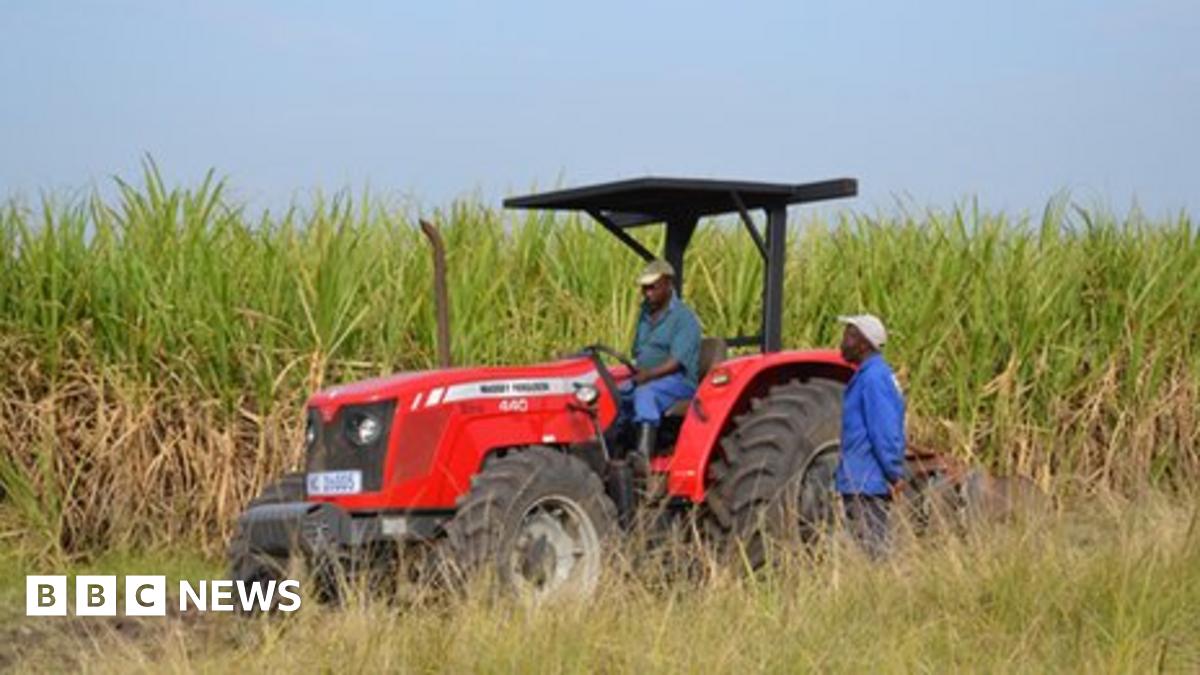
Of South Africa’s 1,500 commercial sugar farms, about 300 are now black-owned and most are said to be doing well.
South Africa’s land reform programme is divided into four pillars: Redistribution, restitution, development and tenure, according to Land Reform and Rural Development Minister Gugile Nkwinti.
The emphasis so far has been on redistribution – buying land from white owners and redistributing it to black people whose families were forced off it during white minority rule.
But Mr Nkwinti says more people have opted for restitution – cash payments – than having their land back.
The government says that in today’s increasingly urbanised South Africa, choosing a financial settlement this “is a reflection of poverty, unemployment, and income want”.
Nineteen years after the end of apartheid, there are no official figures on what proportion of land is white-owned.
Mr Nkwinti said his department is now working on getting a breakdown of private land ownership according to race and even nationality.
[ad_2]
Source link


